
Tag: Habits

  • “Active Life Blueprint: Easy Fitness Habits That Work”

    “Active Life Blueprint: Easy Fitness Habits That Work”

    Have you ever asked yourself why it’s so hard to stick to a fitness routine? You’re not alone. Over the years, I’ve worked with hundreds of people who struggle with the same issue. The good news? It doesn’t have to be this way. By building easy, sustainable habits, you can create an active life that feels effortless rather than like a chore.

    Why Most Fitness Habits Fail

    Let’s talk about a common mistake I see all the time: people try to overhaul their entire lifestyle overnight. They sign up for a gym membership, buy expensive workout gear, and commit to an intense, hour-long workout every day. Sound familiar? Here’s the problem—this approach is unsustainable. Within a few weeks, most people burn out, feel overwhelmed, and quit altogether. Why? Because they’re trying to change too much too soon.

    I call this the “all-or-nothing” trap. You might think that drastic changes will lead to faster results, but in reality, they backfire. Your body and mind need time to adjust to new habits. Instead of jumping into a rigorous routine, start small. Focus on consistency and gradual progress. That’s the key to long-term success.

    Easy Fitness Habits That Work

    Now, let’s dive into the habits that actually work—habits that are simple, sustainable, and effective. These are the same habits I’ve taught my clients over the years, and they’ve seen real results.

    1. Start with a 5-Minute Workout

    If the idea of a 60-minute workout feels daunting, you’re not alone. That’s why I recommend starting with just 5 minutes. Yes, you read that right—5 minutes! This short burst of movement can make a huge difference in your daily activity level.

    Here’s how it works:

    • Pick an activity you enjoy—walking, stretching, dancing, or even jumping jacks.
    • Commit to doing it for just 5 minutes, no matter what.
    • Once you build the habit, gradually increase the time by a minute or two each week.

    This approach works because it removes the pressure of a lengthy workout. It’s easy to talk yourself into 5 minutes, but once you start, you might find yourself doing more. The key is to make it feel achievable, not overwhelming.

    2. Take Movement Breaks Throughout the Day

    If you’ve a sedentary job or spend a lot of time sitting, it’s easy to go hours without moving. That’s why I encourage my clients to take movement breaks every 60-90 minutes. These breaks don’t have to be long—they can be as simple as standing up, stretching, or walking around for a few minutes.

    Here’s why this habit matters:

    • It helps counteract the negative effects of prolonged sitting, which can lead to poor posture, stiffness, and even weight gain.
    • It keeps your energy levels up throughout the day, making it easier to stay active.
    • It builds consistency by integrating movement into your daily routine rather than treating it as a separate task.

    Try setting a timer or using an app to remind you to take these breaks. You’ll be surprised how much of a difference they make in your overall activity level.

    3. Make Fitness Social

    One of the biggest obstacles to sticking to a fitness routine is motivation. That’s why I recommend making fitness social. Whether it’s a workout buddy, a fitness class, or an online community, surrounding yourself with like-minded people can keep you accountable and motivated.

    Here are a few ways to make fitness social:

    • Find a workout buddy—someone who shares your fitness goals and can hold you accountable.
    • Join a fitness class or group—this could be anything from yoga to a running club.
    • Use social media to connect with others—share your progress, join challenges, and engage with a supportive community.

    When you make fitness social, it becomes more enjoyable and less like a chore. You’re more likely to stick with it when you feel connected to others who are on the same journey.

    4. Focus on Progress, Not Perfection

    Here’s another common mistake: people expect to see immediate results and get discouraged when they don’t. They think they need to be perfect with their workouts and diet, and when they’re not, they give up. That’s why I encourage my clients to focus on progress, not perfection.

    Here’s how to do it:

    • Set small, achievable goals—for example, “I’ll walk for 10 minutes a day” instead of “I’ll run a marathon.”
    • Track your progress—use a journal, app, or calendar to mark your workouts and celebrate your wins.
    • Be kind to yourself—remember that setbacks are a normal part of the process. Don’t let them derail your progress.

    When you focus on progress, you’re more likely to stay motivated and consistent. You’ll see that small steps add up to big results over time.

    Building a Sustainable Active Life

    Creating an active life isn’t about drastic changes or extreme workouts. It’s about building simple, sustainable habits that work for you. By starting small, taking movement breaks, making fitness social, and focusing on progress, you can create a routine that feels effortless rather than like a chore.

    Remember, the goal isn’t to be perfect—it’s to be consistent. When you focus on progress, not perfection, you’ll see that small steps add up to big results over time. You’ve got this!

  • “Your Daily Glow Guide: Skincare Habits That Make a Difference”

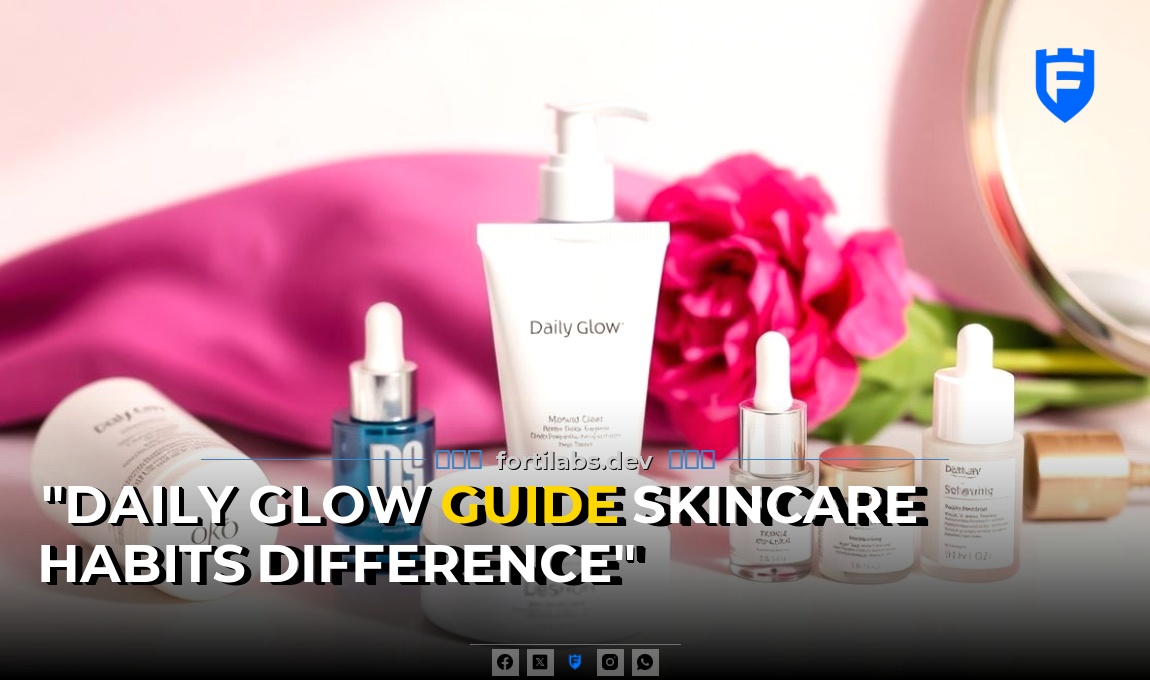
    “Your Daily Glow Guide: Skincare Habits That Make a Difference”

    It was a chilly December morning in 2018, and I stood in front of the mirror, frustrated. My reflection showed dull skin, a few more breakouts than usual, and the beginnings of fine lines. I had been so focused on my busy life that I’d neglected my skin. That day, I made a promise to myself: I’d make skincare a daily priority, and I’d find habits that truly made a difference. Here’s what I learned.

    Know Your Skin

    The first step in transforming your skincare routine is understanding your skin type and its unique needs. I thought I knew my skin, but a visit to a dermatologist in January 2019 opened my eyes. She classified my skin as combination, with a tendency towards sensitivity. She also pointed out signs of dehydration and early aging.

    Find Your Skin Type

    To get started, you need to know your skin type. Here’s a simple way to find out:

    • Wash your face with a gentle cleanser and pat it dry.
    • Wait for an hour without applying any products.
    • Check how your skin feels:
      • Dry and tight? you’ve dry skin.
      • Oily and shiny, especially in the T-zone? you’ve oily skin.
      • Both dry and oily in different areas? you’ve combination skin.
      • Feels normal, not too oily or dry? you’ve normal skin.
      • Red, itchy, or sensitive? You might have sensitive skin.

    Identify Your Skin Concerns

    Next, identify what you want to improve. My main concerns were:

    • Dullness and uneven texture
    • Occasional breakouts
    • Early signs of aging

    Yours might be different. Maybe you struggle with dark spots, redness, or excessive dryness. Make a list of your top three concerns to address in your routine.

    Build a Simple, Effective Routine

    After understanding my skin, I started building a routine. I kept it simple, focusing on consistency rather than using multiple products. Here’s what I did:

    Cleanse Gently, Twice a Day

    I switched to a gentle, hydrating cleanser. I was amazed at how much softer and smoother my skin felt after just a week. Remember, harsh cleansers can strip your skin of natural oils, leading to irritation and dryness.

    Hydrate, Hydrate, Hydrate

    I added a hydrating serum and a moisturizer suitable for combination skin. Within a month, my skin felt plumper and looked more radiant. Hydration is key, regardless of your skin type.

    Protect with SPF

    This was a real really helpful for me. I started using a broad-spectrum SPF 30 every morning, even on cloudy days. I noticed a significant improvement in my skin’s texture and tone. SPF protects your skin from harmful UV rays, preventing premature aging and hyperpigmentation.

    In May 2019, just a few months after I started using SPF daily, I noticed that my dark spots had lightened. My skin also felt smoother, and the fine lines around my eyes had softened.

    Make Smart Habit Choices

    Beyond products, certain habits can make a big difference in your skin’s health. Here are some I found most helpful:

    Drink More Water

    I started tracking my water intake using an app. I aimed for at least 2 liters a day. Within two weeks, my skin looked dewier and more hydrated. Water helps maintain your skin’s elasticity and can even reduce the appearance of fine lines.

    Eat a Skin-Friendly Diet

    I cut back on processed foods and sugary snacks, focusing more on fruits, vegetables, lean proteins, and healthy fats. I noticed fewer breakouts and a more even skin tone within six weeks.

    Get Enough Sleep

    I aimed for 7-8 hours of sleep every night. I found that my skin looked more rested and refreshed. During sleep, your skin repairs and regenerates itself.

    Handle Your Skin Gently

    I stopped using rough scrubs and hot water. Instead, I opted for gentler exfoliation methods and lukewarm water. I also started using a damp cloth to remove my eye makeup, which reduced irritation and puffiness.

    Don’t Forget Your Neck and Hands

    I extended my skincare routine to my neck and hands, applying sunscreen, moisturizer, and occasionally, a hydrating mask. These areas show signs of aging too, and they deserve just as much care.

    Be Patient and Persistent

    One of the most important lessons I learned is that skincare takes time. I saw gradual improvements over months, not days. Here’s a rough timeline of my progress:

    • After 2 weeks: My skin felt softer and looked more hydrated.
    • After 4 weeks: My dark spots started to lighten, and my skin tone looked more even.
    • After 8 weeks: My breakouts were less frequent, and my skin looked brighter.
    • After 12 weeks: The fine lines around my eyes were less noticeable, and my skin looked smoother overall.

    Remember, everyone’s skin is unique, and results may vary. The key is to stick with your routine and give it time to work.

    By August 2019, just eight months after I started my skincare journey, I looked and felt better than ever. My skin was glowing, my breakouts were under control, and those fine lines had softened significantly. All this from making a few simple changes and staying consistent.

    So, if you’re ready to transform your skin, start with these habits. Understand your skin, build a simple routine, make smart habit choices, and be patient. You’ll be amazed at the difference it can make. Here’s to your daily glow!

  • “Body Care Simplified: Daily Hygiene Habits That Truly Work”

    “Body Care Simplified: Daily Hygiene Habits That Truly Work”

    Let me tell you, the idea that you need a 10-step skincare routine or a cabinet full of fancy products to maintain good hygiene is a myth. I used to believe it too, and I wasted a lot of money before realizing that simplicity is key. Daily hygiene isn’t about how much you spend or how many products you use, but rather about consistency and smart habits. Let me share what truly works.

    Simplify Your Skincare Routine

    I used to think the more products I used, the healthier my skin would be. I was wrong. My skin broke out, felt irritated, and looked dull. That’s when I learned that simplicity is best for most people. Here’s how I simplified my routine and improved my skin:

    Basic Cleansing

    Instead of using different cleansers for morning and night, I switched to a gentle, fragrance-free cleanser that I use twice a day. This keeps my skin clean without stripping it of its natural oils.

    Moisturize, Don’t Over-treat

    Rather than layering serums, toners, and essences, I opted for a simple moisturizer suited to my skin type. I added sunscreen in the morning, and that’s it. My skin calmed down, and I saw an improvement in texture and hydration.

    If you’ve specific skin concerns like acne or hyperpigmentation, you might need to incorporate targeted treatments. But even then, less is more. Start with one product at a time and give your skin a chance to adjust.

    When to Go Complex

    If you’ve specific skin conditions, like eczema or rosacea, you might need a more complex routine. But even then, it’s must-have to keep it simple and focus on what works for you. Always consult with a dermatologist to find the right products for your unique needs.

    Hair Care: Don’t Overwash or Overstyle

    I used to wash my hair every day and use hot tools constantly. The result? Dry, damaged hair that was prone to breakage. Here’s what I learned: less is more with hair care.

    Wash Less Frequently

    Washing your hair every day can strip it of natural oils, leading to dryness and damage. Instead, try washing every other day or even just a few times a week. If you’ve oily hair, you can use a dry shampoo on off days to keep your roots fresh.

    Embrace Your Natural Texture

    Heat styling tools can cause significant damage to your hair. Instead, embrace your natural texture and opt for heatless styles. This doesn’t mean you can’t ever use hot tools, but try to limit their use to special occasions.

    When you do use heat tools, always apply a heat protectant first. This creates a barrier between your hair and the heat, reducing the risk of damage.

    When to Wash Daily and Style Often

    If you’ve very oily hair or scalp conditions like seborrheic dermatitis, you might need to wash your hair more frequently. In these cases, look for gentle, sulfate-free shampoos that won’t strip your hair of its natural oils.

    Similarly, if you’ve a special event or just feel like switching up your style, it’s okay to use hot tools. Just remember to take precautions to protect your hair.

    Oral Hygiene: Brush, Floss, Repeat

    Good oral hygiene is about more than just having fresh breath. It’s must-have for your overall health. Here’s how to keep your teeth and gums healthy without overcomplicating things.

    Brush Twice a Day, Floss Daily

    Brushing twice a day and flossing daily are the most important habits for good oral hygiene. Use a soft-bristled toothbrush and fluoride toothpaste. Don’t forget to brush your tongue to remove bacteria and freshen your breath.

    Don’t Overdo It

    Brushing too hard or too often can damage your teeth and gums. Be gentle when brushing, and don’t brush more than twice a day. If you feel like your teeth need a deeper clean, consider using a water flosser or interdental brushes.

    If you’ve specific oral health concerns, like gum disease, you might need to adjust your routine. But for most people, brushing twice a day and flossing daily are enough to keep their teeth and gums healthy.

    Nail Care: Keep It Simple

    I used to spend a lot of time and money on manicures and pedicures. But the truth is, you don’t need to go to the salon every week to have healthy nails. Here’s how to keep your nails in tip-top shape at home.

    Keep Your Nails Clean and Trimmed

    Regular trimming and filing help prevent nails from breaking or snagging. Use a nail clipper and file to shape your nails, and push back your cuticles gently with a cuticle pusher.

    Moisturize Your Nails and Cuticles

    Just like your skin, your nails and cuticles need moisture to stay healthy. Apply hand cream or cuticle oil daily to keep them hydrated. This can help prevent hangnails and keep your nails looking shiny and healthy.

    When to Go to the Salon

    If you’ve specific nail concerns, like fungal infections or ingrown toenails, you might need to see a professional. But for most people, keeping nails clean, trimmed, and moisturized is enough to maintain good nail health.

    And of course, if you just want to treat yourself, there’s no harm in getting a professional manicure or pedicure. Just make sure the salon follows proper hygiene practices to avoid infections.

    Remember, good hygiene isn’t about how much you spend or how many products you use. It’s about consistency and smart habits. By simplifying your routine and focusing on what truly works, you can achieve and maintain good hygiene without breaking the bank or wasting time.

    Don’t be afraid to experiment to find what works best for you. Everyone’s body is unique, and what works for one person might not work for another. The key is to listen to your body and adjust your routine as needed.

    And always remember, if you’ve specific health concerns, it’s must-have to consult with a healthcare professional. They can provide personalized advice and recommendations to help you maintain good hygiene and overall health.

  • “Unlock Your Natural Glow: Smart Skincare Habits That Shine”

    “Unlock Your Natural Glow: Smart Skincare Habits That Shine”

    Ever looked in the mirror and wondered why your skin doesn’t have that natural glow you see in others? You’re not alone. I’ve helped hundreds of people achieve their healthiest skin yet, and I’m here to share the smart habits that make all the difference.

    Know Your Skin Type

    First things first, you need to understand your unique skin type. Is it dry, oily, combination, sensitive, or normal? This knowledge is power because it helps you choose the right products and routines. Here’s a quick guide:

    • Dry skin: Feels tight, may flake, and lacks moisture.
    • Oily skin: Shiny, greasy, and prone to breakouts.
    • Combination skin: Oily in some areas (like the T-zone), dry in others.
    • Sensitive skin: Prone to redness, itching, or burning.
    • Normal skin: Balanced, neither too dry nor too oily.

    Once you’ve figured out your skin type, you can tailor your skincare routine to suit it. Remember, what works for your friend might not work for you.

    Let’s Talk About Your Skincare Routine

    Now that you know your skin type, let’s talk about your daily routine. Consistency is key here. You don’t need a 10-step routine to see results. In fact, less is often more. Here’s a simple, effective routine to start with:

    Morning Routine

    • Cleanser: Start with a gentle cleanser to remove any impurities.
    • Toner: This helps to balance your skin’s pH.
    • Serum: Depending on your concerns, you might use a vitamin C serum for brightening or hyaluronic acid for hydration.
    • Moisturizer: Lock in moisture with a good moisturizer.
    • Sunscreen: This is a must! Protect your skin from harmful UV rays.

    Evening Routine

    • Cleanser: Remove makeup and sunscreen with a cleanser.
    • Toner: Balance your skin’s pH again.
    • Serum: You might switch to a retinol serum for anti-aging at night.
    • Moisturizer: Keep your skin hydrated overnight.

    This is a basic routine. You can adjust it based on your skin’s needs and concerns.

    A Common Mistake: Over-Exfoliating

    One of the biggest mistakes I see is over-exfoliating. While exfoliation is important for removing dead skin cells and promoting cell turnover, too much of a good thing can be bad. Over-exfoliating can lead to redness, irritation, and even breakouts.

    Here’s why it fails: Our skin has a natural barrier that protects it from environmental stressors. When you over-exfoliate, you strip away this barrier, leaving your skin vulnerable. It can also lead to increased sensitivity and dryness, which is the opposite of what you want.

    Instead, stick to exfoliating 1-3 times a week, depending on your skin type. And always follow up with a moisturizer to help replenish your skin’s barrier.

    Lifestyle Habits for a Natural Glow

    Skincare isn’t just about what you put on your skin. Your lifestyle habits play a huge role too. Here are some smart habits to adopt:

    • Stay hydrated: Drink plenty of water to keep your skin hydrated from within.
    • Eat a balanced diet: Fill your plate with fruits, vegetables, lean proteins, and whole grains. Your skin will thank you!
    • Get enough sleep: Aim for 7-9 hours a night. This is when your skin repairs and regenerates itself.
    • Manage stress: High stress levels can lead to breakouts and other skin issues. Find ways to relax and unwind.
    • Exercise regularly: Physical activity increases blood flow, which helps to nourish your skin cells.
    • Avoid smoking: Smoking accelerates aging and leads to dull, lifeless skin.
    • Limit alcohol: Alcohol can dehydrate your skin and cause inflammation.

    Incorporating these habits into your daily life can make a significant difference in your skin’s appearance.

    Listen to Your Skin

    Lastly, always listen to your skin. If something doesn’t feel right, it probably isn’t. Pay attention to how your skin reacts to different products and routines. If you notice irritation, redness, or breakouts, it might be a sign that you need to switch things up.

    Remember, achieving a natural glow takes time and patience. Stick with it, and you’ll see results. And don’t forget, I’m always here to help. If you’ve any questions or concerns, don’t hesitate to reach out.

    Here’s to your healthiest, glowing skin yet!