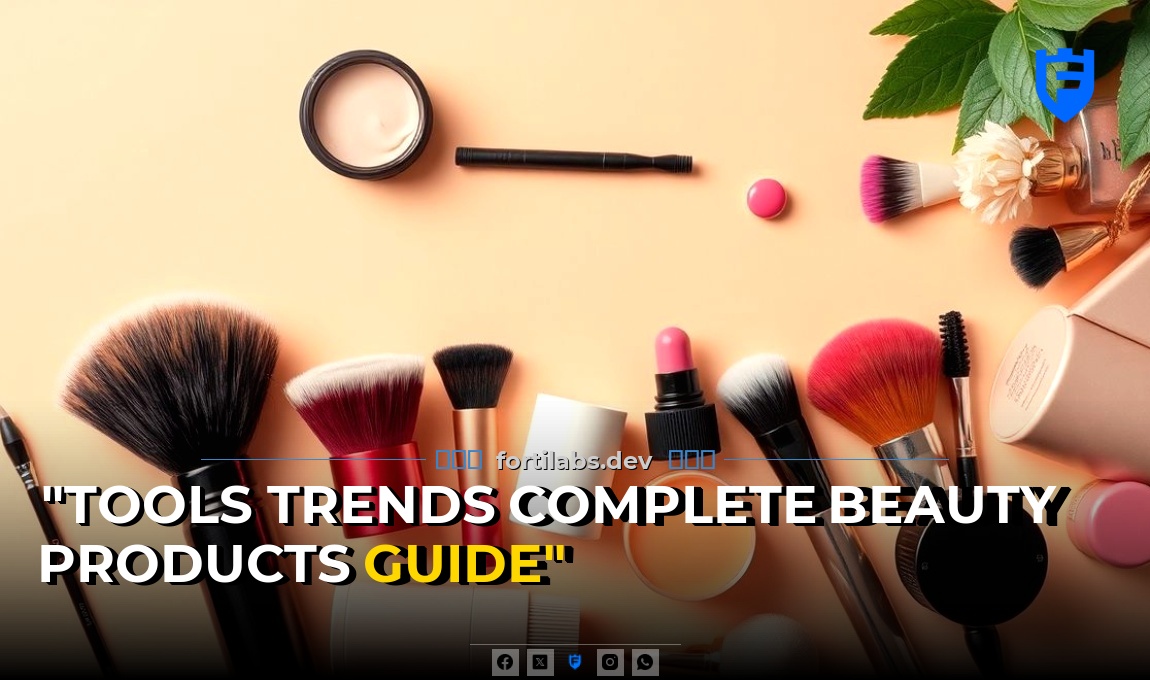
Imagine standing in front of a wall of beauty tools at the store, feeling overwhelmed and unsure about which one to pick. You’re not alone; this is a common problem. With so many options out there, making the right choice can feel like a gamble. I’ve been there, and I’ve made my share of mistakes. But after years of trial and error, I’ve learned how to work through this maze and make smart product choices. Let me share my insights with you.
Know Your Skin and Hair Types
First things first, you need to understand your skin and hair types. This is the foundation of all smart product choices.
Skin Types
There are generally five skin types: normal, dry, oily, combination, and sensitive. If you’re not sure where you fall, here’s a quick test: wash your face and wait an hour. If it feels tight, you’re dry; if it’s shiny all over, you’re oily; if it’s shiny in the T-zone (forehead, nose, chin) but dry elsewhere, you’re combination; if it feels comfortable and looks even, you’re normal; if it’s prone to redness or itching, you’re sensitive.
- Dry skin: Look for tools that provide gentle exfoliation and hydration. Avoid high-heat tools that can further dry out your skin.
- Oily skin: Opt for tools that help control oil and reduce pores. Steaming tools can help open up pores for better cleansing.
- Combination skin: You might need to use different tools for different areas of your face.
- Sensitive skin: Stick to gentle, drug-free tools. Always patch test new products.
- Normal skin: Lucky you! you’ve more flexibility, but always be gentle to maintain your skin’s balance.
Hair Types
Hair types are a bit more complex, with a range of textures and thicknesses. Generally, hair is categorized into four types: straight, wavy, curly, and coily. Within these types, there are also subcategories based on thickness and density.
- Straight hair: Can be prone to oiliness. Look for tools that add volume and texture.
- Wavy hair: Benefits from tools that enhance its natural wave pattern without causing frizz.
- Curly hair: Needs tools that define curls and reduce frizz. Avoid high-heat tools that can damage curl pattern.
- Coily hair: Similar to curly hair, coily hair needs gentle, hydrating tools to maintain its natural pattern.
Understand the Different Types of Beauty Tools
Now that you know your skin and hair types, let’s dive into the different categories of beauty tools. I’ll compare two approaches for each category: high-tech and low-tech.
Cleansing Tools
Cleansing tools help remove dirt, oil, and makeup from your skin.
- High-tech: Sonic cleansing brushes, like the popular Clarisonic, use gentle vibrations to cleanse your skin. They’re great for people with normal to oily skin who want a deep clean. However, they can be rough on sensitive or dry skin.
- Low-tech: Silicone cleansing brushes or simple washcloths are gentler alternatives. They’re great for all skin types, but they don’t provide the same deep clean as high-tech options.
Exfoliating Tools
Exfoliating tools help remove dead skin cells, revealing smoother, brighter skin underneath.
- High-tech: Rotating brushes or microdermabrasion tools provide a deep exfoliation. They’re best for normal to oily skin. But be careful, overuse can lead to irritation and sensitivity.
- Low-tech: Konjac sponges or exfoliating gloves provide a gentler exfoliation. They’re great for all skin types, but they don’t provide the same deep exfoliation as high-tech options.
Hair Styling Tools
Hair styling tools help you achieve your desired look.
- High-tech: Heat tools like straighteners, curlers, and blow dryers offer quick, long-lasting results. They’re great for all hair types, but they can cause heat damage if not used properly.
- Low-tech: Hair rollers, braiding, or twist techniques offer heat-free styling. They’re great for all hair types, especially curly or coily hair that’s prone to heat damage. However, they can be time-consuming and may not offer the same long-lasting results.
Facial Massage Tools
Facial massage tools help improve circulation, reduce puffiness, and promote lymphatic drainage.
- High-tech: Electric facial massagers offer a hands-free experience with various speed and intensity settings. They’re great for people who want a quick, convenient massage. However, they can be expensive and may not be suitable for sensitive skin.
- Low-tech: Jade rollers or gua sha tools offer a gentle, manual massage. They’re great for all skin types and are more affordable. However, they require more effort and skill to use effectively.
Invest in Quality Over Quantity
With beauty tools, it’s better to have a few high-quality items than a drawer full of cheap, ineffective ones. Here’s why.
Durability
High-quality tools are made with better materials and craftsmanship, so they last longer. This means you won’t have to replace them as often, saving you money in the long run.
Effectiveness
Cheap tools often don’t work as well as their high-quality counterparts. They might not provide the same level of cleansing, exfoliation, or styling, leaving you frustrated and reaching for more products.
Safety
Low-quality tools can sometimes be unsafe. For example, cheap straighteners might not have proper heat control, increasing the risk of burns. Or, low-quality cleansing brushes might have harsh bristles that irritate the skin.
Maintenance and Care
Even the best beauty tools need proper care to function effectively and safely. Here are some tips.
Cleaning
Regularly clean your beauty tools to remove product buildup and bacteria. For example, wash your cleansing brush heads with mild soap and water, and wipe down your hair tools with a damp cloth.
Storage
Store your tools properly to prevent damage. For instance, keep your straighteners and curlers in a heat-resistant pouch to protect your surfaces. And, keep your cleansing tools in a dry place to prevent bacterial growth.
Replacement
Even with proper care, beauty tools wear out over time. Pay attention to signs of wear and tear, like frayed cords, cracked casings, or dull bristles. When you notice these signs, it’s time to replace your tool.
Remember, taking care of your beauty tools is an investment in your beauty routine and your skin and hair health. So, don’t neglect this important step.
Choosing the right beauty tools can feel overwhelming, but it doesn’t have to be. By understanding your skin and hair types, the different categories of tools, the importance of quality, and proper maintenance, you can make smart product choices that enhance your beauty routine. So, take a deep breath, grab your shopping list, and happy tool hunting!
Word count: 1000